Korean Bibimbap
Uitgelicht onder: Favoriete wereldgerechten
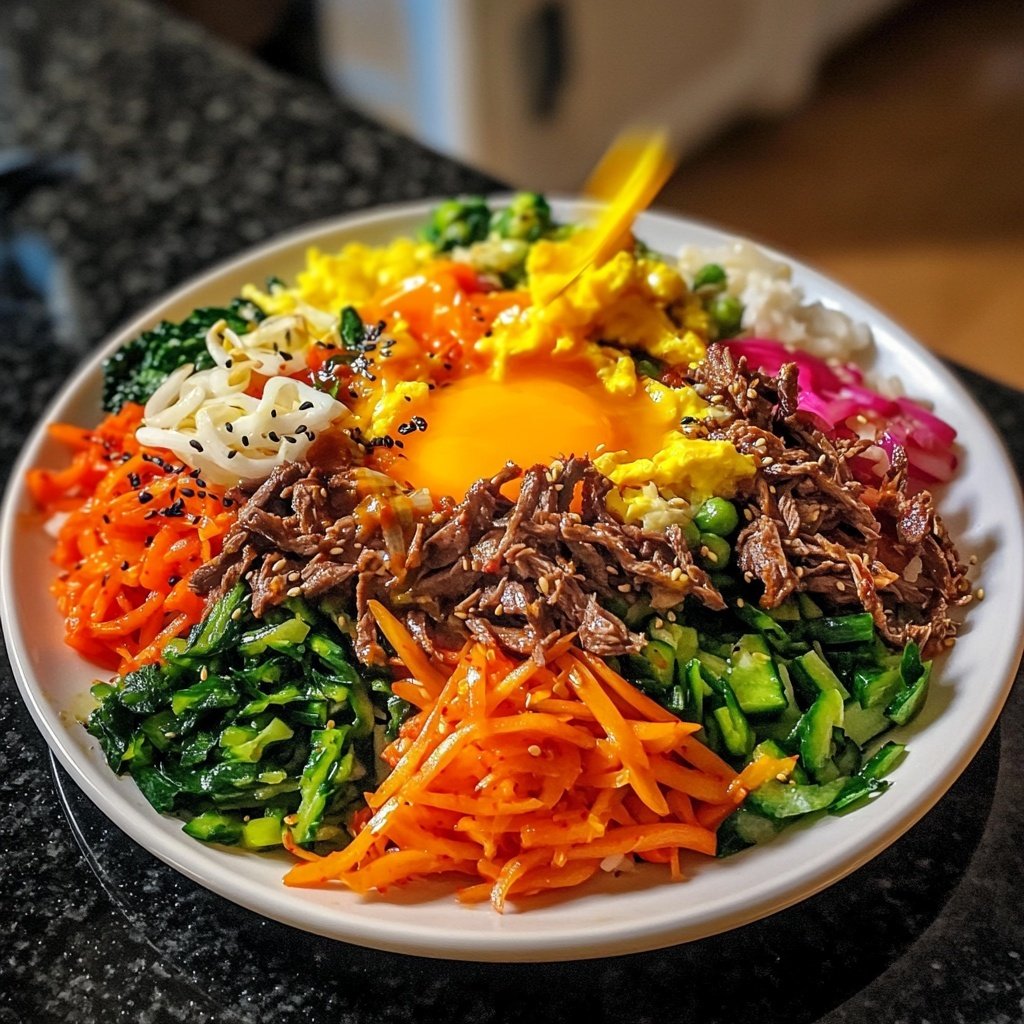
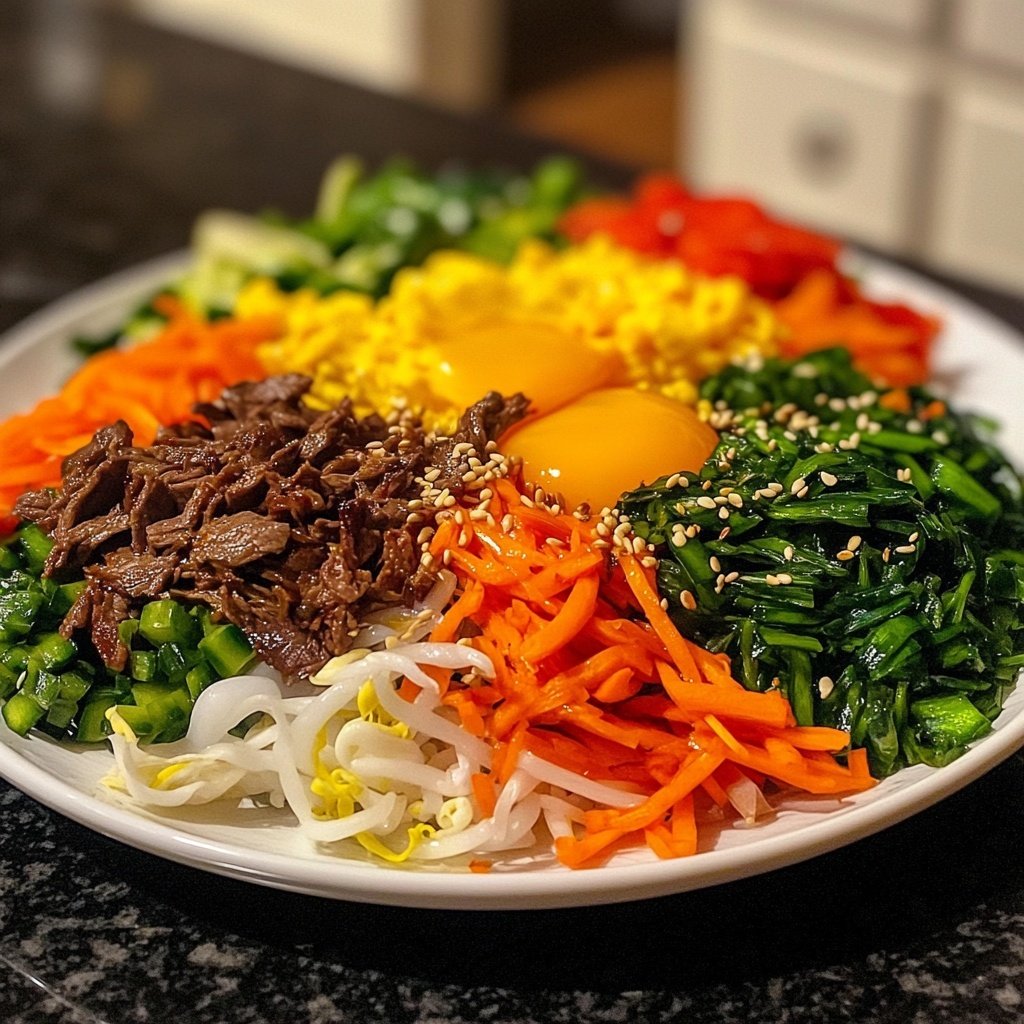
Korean Bibimbap is a vibrant and nutritious dish that combines rice, vegetables, and meat, all topped with an egg and a spicy gochujang sauce.
Korean Bibimbap is a beloved dish that represents the harmony of flavors and textures in Korean cuisine. Each ingredient is carefully selected to create a balanced meal that is both satisfying and visually stunning.
Why You Will Love This Recipe
- A colorful array of fresh vegetables for a nutritious boost
- Customizable with your favorite proteins and toppings
- Perfect blend of flavors with spicy and savory notes
A Nutritional Powerhouse
Korean Bibimbap is not just a feast for the eyes; it's also a nutritional powerhouse. The dish is packed with a variety of vegetables, offering a range of vitamins and minerals essential for a balanced diet. Spinach provides iron, while carrots and zucchini are rich in antioxidants. This colorful medley not only enhances the dish's visual appeal but also contributes to your daily vegetable intake, making it a great choice for those looking to eat healthier.
Moreover, the inclusion of protein, whether it's tender ground beef or plant-based tofu, ensures that this meal is satisfying and filling. The combination of carbohydrates from rice and protein from meat or tofu helps to keep your energy levels stable throughout the day. With Bibimbap, you can enjoy a delicious, all-in-one meal that nourishes your body and delights your taste buds.
Customizable to Your Taste
One of the best aspects of Korean Bibimbap is its versatility. You can easily customize this dish to suit your personal preferences or dietary restrictions. Whether you prefer chicken, shrimp, or a meat-free option, Bibimbap allows you to experiment with various proteins. You can also switch up the vegetables based on what you have on hand or what’s in season, ensuring that each bowl is unique.
Furthermore, the spice level can be adjusted to meet your taste. If you enjoy a bit more heat, add extra gochujang, or if you prefer milder flavors, use less. This adaptability makes Bibimbap not just a dish but a canvas for your culinary creativity.
Perfect for Meal Prep
Korean Bibimbap is an excellent option for meal prepping. The components can be prepared in advance and stored separately, allowing you to assemble fresh bowls throughout the week. Cooked rice, sautéed vegetables, and proteins can last in the refrigerator for several days, making it convenient for busy schedules. Just fry the eggs fresh when you're ready to eat, and you’ll have a wholesome meal ready in minutes.
Additionally, Bibimbap is great for batch cooking. You can make a large quantity of rice and vegetables in one go, dividing them into individual portions. This not only saves time but also helps you stick to your healthy eating goals, as you’ll always have a nutritious meal on hand.
Ingredients
For the Bibimbap
- 2 cups cooked jasmine rice
- 1 cup spinach, blanched
- 1 cup bean sprouts, blanched
- 1 carrot, julienned
- 1 zucchini, julienned
- 4 shiitake mushrooms, sliced
- 4 eggs
- 1 cup cooked ground beef or tofu
- 2 tablespoons sesame oil
- Salt to taste
- Gochujang (Korean chili paste) for serving
Adjust the quantities based on personal preferences and dietary needs.
Instructions
Prepare the Ingredients
Blanch the spinach and bean sprouts separately in boiling water for about 2 minutes. Drain and set aside. Sauté the carrots, zucchini, and shiitake mushrooms in sesame oil until tender. Season with salt.
Cook the Eggs
In a separate skillet, fry the eggs sunny-side up. Set aside.
Assemble the Bibimbap
In a bowl, add a serving of rice. Arrange the prepared vegetables, ground beef or tofu, and top with a fried egg. Drizzle with additional sesame oil and serve with gochujang on the side.
Mix all ingredients together before eating for an explosion of flavor!
Professionele Tips
- Feel free to substitute any of the vegetables with your favorites. For a vegetarian version, use tofu instead of beef.
Serving Suggestions
Bibimbap is traditionally served in a hot stone bowl, which keeps the rice warm and slightly crispy at the bottom. If you don’t have a dolsot (stone bowl), a regular bowl will work just fine. You can also serve it with a side of kimchi for an authentic Korean experience. Kimchi not only adds flavor but also provides additional probiotics, benefiting your gut health.
For a complete meal, consider pairing Bibimbap with a light soup, such as miso soup, or a refreshing cucumber salad. This will round out your dining experience and give you a well-balanced meal.
Storage Tips
If you have leftovers, store the components separately to maintain their freshness. Keep the rice in an airtight container, and the cooked vegetables and meat or tofu can also be refrigerated in separate containers. This way, you can easily reheat each component without compromising texture.
When reheating, avoid microwaving the egg if you prefer it sunny-side up. Instead, you can fry a fresh egg each time for that perfect runny yolk that adds richness to the dish. Enjoy your Bibimbap within three days for the best taste and quality.
Vragen Over Recepten
→ Can I make Bibimbap vegetarian?
Absolutely! You can replace the meat with tofu or simply load up on more vegetables.
→ What can I serve with Bibimbap?
Bibimbap can be enjoyed on its own, but you can also serve it with kimchi or pickled vegetables for added flavor.
→ How do I store leftovers?
Store any leftovers in an airtight container in the refrigerator for up to 2 days. Reheat before serving.
→ Can I use brown rice instead of jasmine rice?
Yes, brown rice is a great alternative for a healthier option, but the texture will be different.
Korean Bibimbap
Gemaakt door: Allegra Stone
Recepttype: Favoriete wereldgerechten
Vaardigheidsniveau: Intermediate
Eindportie: 4 servings
Wat je Nodig Hebt
For the Bibimbap
- 2 cups cooked jasmine rice
- 1 cup spinach, blanched
- 1 cup bean sprouts, blanched
- 1 carrot, julienned
- 1 zucchini, julienned
- 4 shiitake mushrooms, sliced
- 4 eggs
- 1 cup cooked ground beef or tofu
- 2 tablespoons sesame oil
- Salt to taste
- Gochujang (Korean chili paste) for serving
Stappen
Blanch the spinach and bean sprouts separately in boiling water for about 2 minutes. Drain and set aside. Sauté the carrots, zucchini, and shiitake mushrooms in sesame oil until tender. Season with salt.
In a separate skillet, fry the eggs sunny-side up. Set aside.
In a bowl, add a serving of rice. Arrange the prepared vegetables, ground beef or tofu, and top with a fried egg. Drizzle with additional sesame oil and serve with gochujang on the side.
Extra Tips
- Feel free to substitute any of the vegetables with your favorites. For a vegetarian version, use tofu instead of beef.
Voedingswaarde (Per Portie)
- Calories: 600 kcal
- Total Fat: 22g
- Saturated Fat: 4g
- Cholesterol: 210mg
- Sodium: 800mg
- Total Carbohydrates: 85g
- Dietary Fiber: 5g
- Sugars: 5g
- Protein: 18g